
An oral cancer screening is a clinical examination of the mouth, lips, tongue, throat, and surrounding tissues to look for signs of abnormal lesions or suspicious changes. The goal is to identify concerns as early as possible so they can be monitored, tested, or treated when necessary.

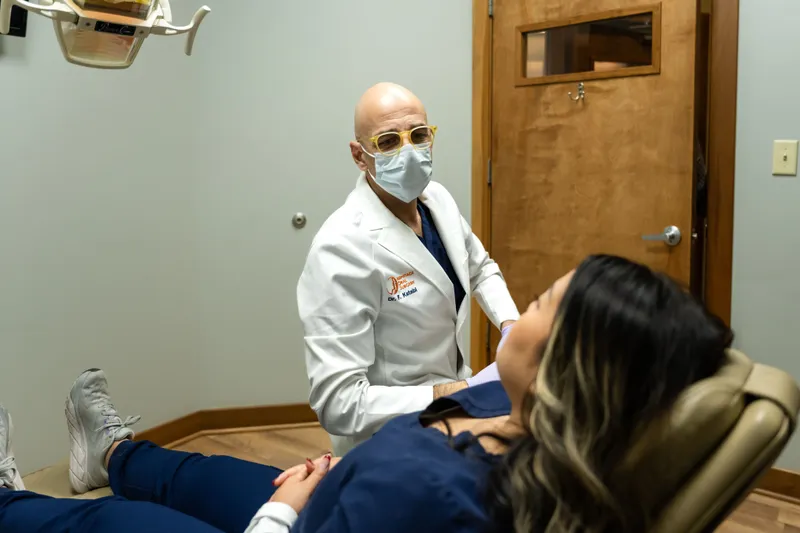
Cancer Pathology Screenings in Chicago, IL
Cancer pathology screenings in Chicago, Illinois, help identify abnormal tissues in the mouth, lips, jaw, and surrounding oral structures as early as possible. At Armitage Oral Surgery, these screenings are an important part of protecting your oral and overall health. Because some serious conditions can develop with few or no symptoms at first, regular screening and timely follow-up can play a critical role in early detection and treatment planning.
Benefits of Cancer Pathology Screenings
Screenings support early detection of abnormal tissues and suspicious lesions, help identify changes that may not yet be causing symptoms, and provide a clear plan for monitoring, diagnosis, or treatment when needed.
Cancer Pathology Screenings Explained
Oral cancer can affect the lips, tongue, cheeks, floor of the mouth, hard and soft palate, sinuses, and throat. Although anyone can develop oral cancer, certain factors can increase the risk, including tobacco use, heavy alcohol consumption, HPV infection, prolonged sun exposure to the lips, and a family history of cancer. One of the challenges with oral cancer is that it may begin quietly, without causing pain or obvious functional problems.
During a cancer pathology screening, our oral surgeon will carefully examine the soft tissues and structures of your mouth, looking for any changes that may require closer attention. This includes a visual and tactile evaluation of the lips, cheeks, tongue, throat, jaw, and other oral tissues. Small sores, red or white patches, unusual lumps, thickened areas, or unexplained irritation may all deserve further evaluation.
If an abnormal area is found, the next step may include additional imaging, continued monitoring, referral, or a biopsy. A biopsy allows a tissue sample to be examined more closely by a pathology laboratory to determine whether the tissue is reactive, precancerous, or cancerous. This process helps create a clear diagnosis and guides the most appropriate treatment plan.
Benefits of Cancer Pathology Screenings
- Supports early detection of abnormal tissues and suspicious lesions.
- Helps identify changes that may not yet be causing pain or noticeable symptoms.
- Provides a clear plan for monitoring, diagnosis, or treatment when needed.
- May improve outcomes by catching serious conditions at an earlier stage.
- Offers reassurance when an area is found to be benign or reactive.
- Encourages ongoing awareness of your oral health and risk factors.
The Cancer Pathology Screening Process
- Initial evaluation: Your visit begins with a review of your symptoms, health history, and any concerns you have noticed at home.
- Clinical examination: Our oral surgeon will perform a visual and tactile screening of the lips, cheeks, tongue, gums, floor of the mouth, palate, throat, and jaw.
- Assessment of findings: If an abnormal area is identified, the team determines whether it should be monitored, imaged, referred, or biopsied.
- Biopsy when needed: If a tissue sample is recommended, a small portion or the full lesion may be removed for laboratory analysis, often under local anesthesia.
- Follow-up planning: Once results are available, your provider reviews the findings with you and discusses the next steps in care.
What to Expect
A cancer pathology screening is typically simple, thorough, and comfortable. In many cases, the screening is completed during a routine visit and does not require any special preparation. Your provider will examine the inside of your mouth and surrounding tissues for any areas that appear unusual or feel abnormal during the exam.
If a biopsy is needed, the procedure is usually small, safe, and performed with local anesthesia to keep you comfortable. Depending on the situation, only a portion of the tissue may be removed, or the entire lesion may be taken out. The sample is then sent to a pathology lab for microscopic evaluation. Results help determine whether the tissue is benign and reactive, precancerous, or malignant.
After the screening or biopsy, we will explain the findings, answer your questions, and outline the next step. Some patients may only need routine monitoring, while others may need further treatment or coordination with additional specialists. The goal is to provide timely answers and a supportive, personalized path forward.
What to Watch for at Home
Patients are encouraged to stay aware of changes in their mouths between visits. A monthly self-check can help you notice anything unusual early. Using clean hands, a mirror, and good lighting, look at the lips, cheeks, gums, tongue, floor of the mouth, and roof of the mouth. Pay attention to sores, red or white patches, lumps, thickened tissue, unexplained tenderness, or areas that do not heal as expected.
If you notice something that lasts longer than two weeks, schedule a professional evaluation with Dr. Firas F. Katabi. Many noncancerous conditions can look concerning, but it is always best to have a suspicious area examined rather than ignored.
Screening Guidelines and Risk Awareness
All adults can benefit from routine oral cancer screening, but some individuals should be especially vigilant. Higher-risk groups may include patients over 40, tobacco users, heavy alcohol consumers, those with significant sun exposure to the lips, and individuals with a history of abnormal lesions or prior cancer. HPV-related cancers have also become more common in younger adults, including those who may not consider themselves high risk.
In general, oral cancer screenings should be performed at least once a year. Patients with a history of abnormal findings, prior biopsies, or known risk factors may need more frequent evaluations. Regular screenings provide continuity of care and make it easier to detect subtle changes over time.
Treatment Planning and Collaborative Care
If an abnormality is confirmed, treatment planning focuses on acting promptly and appropriately. In some cases, monitoring and re-evaluation may be enough. In others, surgical removal or additional treatment may be recommended. When cancer is diagnosed, early coordination with specialists can be an important part of care.
Armitage Oral Surgery works closely with other providers when needed to help patients move from diagnosis to treatment with clarity and support. This collaborative approach may involve coordination with hospitals, oncology teams, ENTs, and other specialists so that your care is organized, timely, and comprehensive.
For questions about cancer pathology screenings in Chicago, IL, contact Armitage Oral Surgery at 773-486-2220 to schedule a consultation with Dr. Firas F. Katabi.
Ready to Schedule Your Screening?
Early detection matters. Schedule your cancer pathology screening with Dr. Katabi in Chicago, IL to protect your oral and overall health.
773-486-2220Frequently Asked Questions
All adults should receive routine screenings, even if they do not have symptoms. Screenings are especially important for people with risk factors such as tobacco use, heavy alcohol use, HPV exposure, prolonged sun exposure to the lips, or a personal history of oral lesions or cancer.
If an abnormal area is found, the next step may involve monitoring, additional imaging, referral, or a biopsy. A biopsy provides more definitive information by allowing the tissue to be examined in a pathology lab and helps determine the most appropriate treatment plan.
Most oral biopsies are performed under local anesthesia, so patients usually experience minimal discomfort during the procedure. Some mild soreness afterward is possible, but recovery is often straightforward.
You should watch for sores that do not heal, red or white patches, unusual lumps, thickened tissue, unexplained pain, or tenderness that lasts longer than two weeks. Even if the cause is minor, it is important to have any persistent change professionally evaluated.